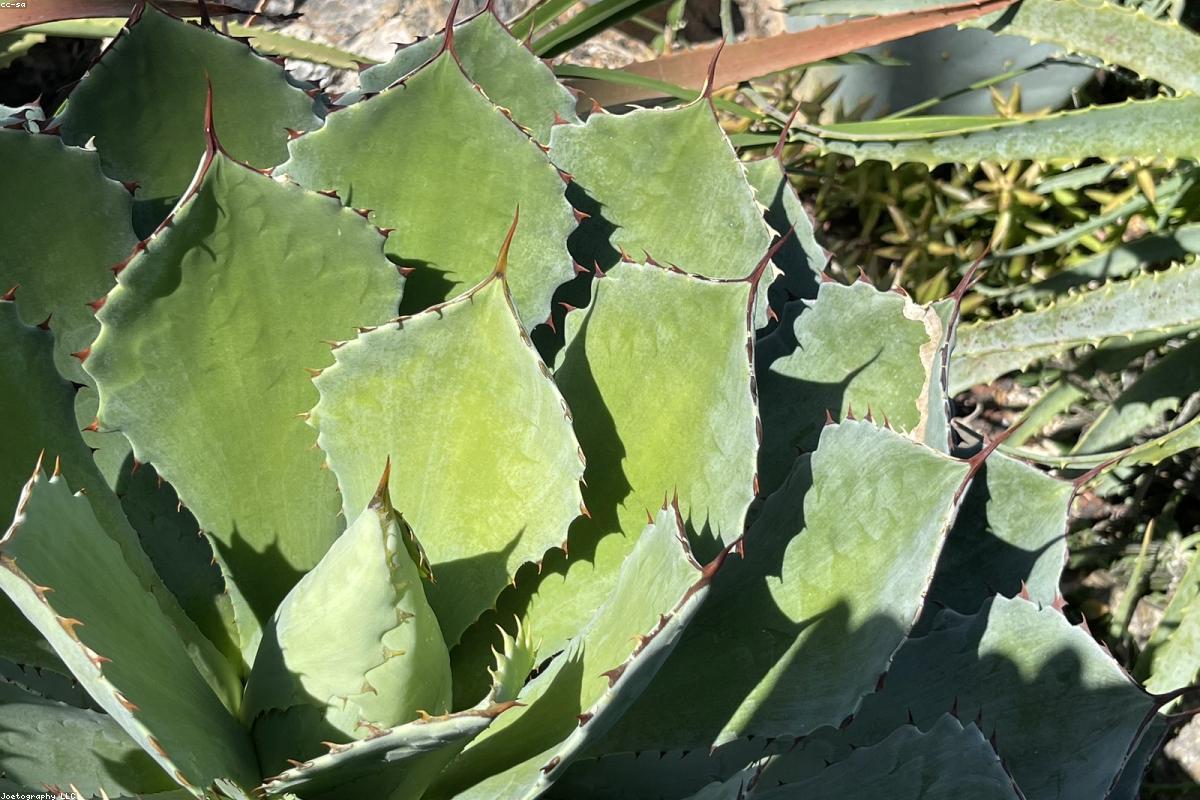
Tequila begins not in a still but in the field, where the blue Weber agave grows slowly for six to ten years before it is ready. When the time comes, a jimador harvests the plant by hand, stripping away the spiny leaves to reveal the piña — the heavy, pineapple-shaped heart that holds all the sugar.
Those piñas are roasted in ovens or traditional stone pits until their starches turn sweet and caramelized. They are then crushed, fermented, and distilled, usually twice, to capture a spirit that still carries the earth it came from. Nothing about it is fast. The agave dictates the pace, and the distiller's job is to listen.
That patience is why a good tequila tastes the way it does: green and peppery when young, round and honeyed with age. The next time you raise a glass at Havana, remember that you are tasting a decade of sun, soil, and someone's careful hands.